Embark on a journey through the world of home designers, where creativity meets functionality and design. This introduction sets the stage for a deep dive into the essential aspects of home design, offering insights that will inspire and inform readers.
From the qualifications required to the sustainable practices embraced, this guide covers everything you need to know about the dynamic field of home design.
Introduction to Home Designers
A home designer is a professional who specializes in creating functional and aesthetically pleasing interior and exterior spaces for residential properties. They work closely with clients to understand their needs, preferences, and budget to design spaces that reflect their lifestyle and taste.
It is important to hire a professional home designer as they have the expertise and experience to transform your vision into reality while ensuring that the design is both practical and visually appealing. They can also help you navigate through the complexities of the design process, including selecting materials, colors, and furnishings that complement each other.
Typical Responsibilities of a Home Designer
- Collaborating with clients to determine design preferences and requirements.
- Creating detailed floor plans, elevations, and 3D renderings of the proposed design.
- Selecting appropriate materials, finishes, and furnishings for the space.
- Coordinating with contractors and vendors to ensure the design is implemented correctly.
- Providing guidance on lighting, color schemes, and layout to enhance the overall design.
Qualifications and Skills
Becoming a successful home designer requires a combination of education, training, and specific skills. Let's explore the necessary qualifications and key skills essential for excelling in the field of home design.
Necessary Qualifications
- A formal education in interior design, architecture, or a related field is typically required to become a home designer.
- Obtaining a relevant degree or certification from an accredited institution can provide the foundational knowledge needed for this profession.
- Continuing education and staying updated on the latest design trends and technologies is crucial for maintaining a competitive edge in the industry.
Key Skills for Success
- Creativity: Home designers must possess a strong sense of creativity to conceptualize and bring innovative design ideas to life.
- Attention to Detail: Being detail-oriented is essential for ensuring that every aspect of a design project is meticulously planned and executed.
- Communication Skills: Effective communication with clients, contractors, and other professionals is vital for successfully conveying design concepts and coordinating project requirements.
- Problem-Solving Abilities: Home designers should be adept at problem-solving and finding creative solutions to challenges that may arise during the design process.
- Technical Proficiency: Proficiency in design software, drafting tools, and other technical skills is necessary for creating accurate design plans and visualizations.
Role of Creativity
Creativity is at the core of a home designer's work, as it drives the ability to think outside the box and transform spaces into functional and aesthetically pleasing environments. From selecting color palettes to arranging furniture layouts, creativity plays a crucial role in every design decision made by a home designer.
Interior Design vs. Home Design
When it comes to discussing interior design and home design, it's important to understand the distinction between the two fields. While they are closely related, each focuses on different aspects of creating a functional and aesthetically pleasing living space.Home designers primarily concentrate on the overall structure and layout of a space, taking into account the architectural elements, spatial planning, and functionality of a home.
They work on designing the entire structure of a building, including the layout of rooms, the flow of spaces, and the overall aesthetic appeal of the property.
Incorporating Interior Design Elements into Home Design
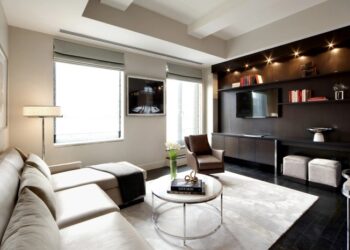
Interior design elements play a crucial role in enhancing the overall look and feel of a home design. Here are some examples of how interior design elements are incorporated into home design:
- Color schemes: Home designers carefully select color palettes that complement the architectural style of the home and create a cohesive look throughout the space.
- Furniture selection: Choosing the right furniture pieces that fit the scale and proportions of the rooms is essential in home design. This includes selecting pieces that not only look good but also serve a functional purpose.
- Lighting design: Proper lighting design is crucial in creating ambiance and highlighting key architectural features of a home. Home designers work on incorporating different types of lighting fixtures to enhance the overall design.
- Texture and materials: Incorporating various textures and materials such as wood, metal, glass, and fabrics adds depth and visual interest to a home design. These elements are carefully selected to create a harmonious and balanced interior space.
Process of Home Design
When it comes to home design, there is a detailed process that designers follow to ensure the final result meets the needs and preferences of the client. This process involves understanding the client's requirements, creating design concepts, and bringing them to life in the form of a well-designed space.
Steps Involved in the Home Design Process
- Initial Consultation: The designer meets with the client to discuss their vision, budget, and timeline for the project.
- Site Visit and Measurements: The designer visits the space to take accurate measurements and assess the layout.
- Concept Development: Based on the client's preferences, the designer creates mood boards or design concepts to present ideas for the space.
- Design Presentation: The designer presents the concept to the client, incorporating feedback and making any necessary revisions.
- Material Selection: Once the design is finalized, the designer helps the client choose materials, finishes, and furnishings for the project.
- Implementation: The design plan is brought to life as the construction or renovation process begins, overseen by the designer.
- Final Reveal: The designer unveils the completed project to the client, ensuring all details are in place and the vision has been realized.
Working with Clients to Understand Needs and Preferences
In order to create a home that reflects the client's style and meets their practical requirements, home designers work closely with clients to understand their needs and preferences. This involves conducting thorough consultations, listening to the client's input, and incorporating their feedback throughout the design process.
Importance of Creating Mood Boards or Design Concepts
Creating mood boards or design concepts is a crucial step in the home design process as it allows clients to visualize the proposed design and provide feedback. Mood boards help convey the overall aesthetic, color scheme, and style of the project, giving clients a clear idea of how the final space will look and feel.
This visual representation ensures that the designer and client are on the same page before moving forward with the implementation phase.
Sustainable Design Practices
Sustainable design in home projects focuses on creating living spaces that have a reduced impact on the environment while promoting health and well-being for occupants. This approach involves using eco-friendly materials, energy-efficient technologies, and sustainable building practices.
Examples of Eco-Friendly Materials and Technologies
- Bamboo flooring: Bamboo is a sustainable material that grows quickly and can be harvested without causing deforestation.
- Solar panels: Solar energy is a renewable resource that can help reduce reliance on nonrenewable sources of energy.
- Recycled glass countertops: Using recycled materials helps reduce waste and energy consumption in the production of new materials.
Benefits of Incorporating Sustainable Practices
- Reduced environmental impact: Sustainable design helps minimize waste, conserve resources, and decrease carbon emissions.
- Healthier indoor environment: Eco-friendly materials and technologies can improve indoor air quality and overall well-being for occupants.
- Cost savings: Energy-efficient technologies can lower utility bills and maintenance costs over time.
Trends in Home Design
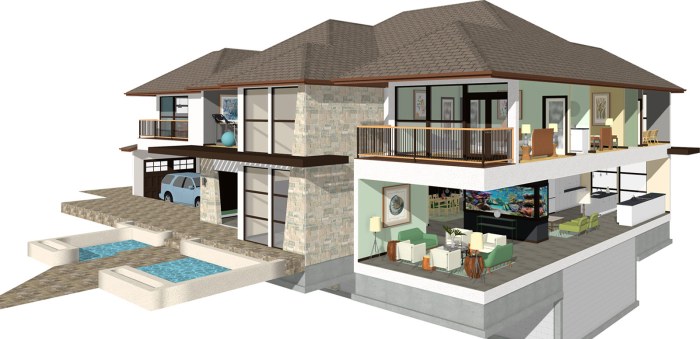
Home design trends are constantly evolving, influenced by factors such as technological advancements, changing lifestyles, and environmental concerns. Keeping up with the latest trends is essential for home designers to meet the demands of their clients and create spaces that are both functional and aesthetically pleasing.
Influence of Technological Advancements
Technological advancements have revolutionized the way home designers work, allowing them to incorporate innovative solutions and cutting-edge features into their designs. Smart home technology, for example, has become increasingly popular, allowing homeowners to control various aspects of their home, such as lighting, temperature, and security, with just a touch of a button or voice command.
Popular Design Styles
- Minimalist Design: Clean lines, simple color palettes, and uncluttered spaces are key features of minimalist design, which focuses on functionality and simplicity.
- Biophilic Design: This design trend emphasizes the connection between people and nature, incorporating natural elements such as plants, natural light, and organic materials into the home.
- Scandinavian Design: Known for its simplicity, warmth, and functionality, Scandinavian design features neutral colors, natural textures, and a cozy atmosphere.
- Industrial Design: Inspired by urban lofts and converted warehouses, industrial design showcases raw materials, exposed brick, and metal accents for a modern and edgy look.
Budgeting and Cost Considerations
When working with a home designer, it is important to have a clear understanding of the budget for your project. Home designers typically create budgets by assessing the scope of work, materials needed, labor costs, and any additional expenses that may arise during the project.
Creating a Budget
Home designers carefully evaluate the client's needs and preferences to determine the cost of the project. They consider factors such as the size of the space, the quality of materials, and the complexity of the design when creating a budget.
Cost Considerations
- Materials: The type and quality of materials used in the project can significantly impact the overall cost. Home designers need to balance aesthetics with budget constraints.
- Labor Costs: Hiring skilled labor for construction, installation, and other tasks can add to the total cost of the project. It is important for home designers to work with reputable professionals to ensure quality work within budget.
- Permits and Regulations: Home designers need to factor in costs associated with building permits, inspections, and compliance with local regulations. Failure to account for these costs can lead to delays and additional expenses.
- Contingency Fund: It is advisable to set aside a contingency fund for unexpected expenses that may arise during the project. Home designers often include a buffer in the budget to accommodate unforeseen costs.
Working Within Budget
Communication is key when working with a home designer to stay within budget. Clearly communicate your budget constraints and priorities from the outset. Be open to suggestions for cost-effective alternatives without compromising on quality and design.
Conclusive Thoughts
In conclusion, the realm of home design offers endless possibilities for creating spaces that not only captivate the eye but also enhance everyday living. Dive into this exciting world armed with knowledge and inspiration to transform any living space.
Essential Questionnaire
What are the key qualifications to become a home designer?
To become a home designer, one typically needs a degree in interior design or a related field, along with practical experience in the industry.
How do home designers differentiate between interior design and home design?
While interior design focuses on the aesthetics and functionality of indoor spaces, home design encompasses the overall layout and structure of a living space, including exterior elements.
What role does creativity play in the work of a home designer?
Creativity is essential for home designers to envision innovative solutions and unique designs that cater to the needs and preferences of clients.
How do home designers incorporate sustainable practices into their projects?
Home designers integrate eco-friendly materials, energy-efficient technologies, and sustainable design principles to create environmentally conscious living spaces.
What are some current trends in home design that home designers are implementing?
Popular trends include minimalist designs, smart home technologies, biophilic elements, and sustainable architecture.