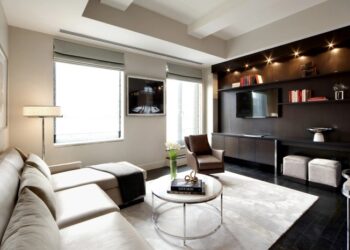
Embark on a journey of creativity and functionality as we delve into the world of new house design. From the fundamental elements to the intricate details, this guide promises to inspire and inform those seeking to create their dream home.
Explore the various aspects that make up a well-designed new house, from layout planning to interior and exterior design features.
New House Design Elements
When designing a new house, there are several essential elements to consider that contribute to the overall design. These elements help create a cohesive and functional living space that reflects the homeowner's style and preferences.
Space Planning
Effective space planning is crucial in new house design as it determines the layout and flow of the home. Consider how each room will be used and ensure there is sufficient space for movement and activities. Proper space planning can maximize functionality and comfort in the house.
Lighting
Lighting plays a significant role in the overall design of a new house. Natural light can make spaces feel larger and more inviting, while artificial lighting can create ambiance and highlight architectural features. Proper lighting design can enhance the mood and functionality of different areas in the house.
Materials and Finishes
The choice of materials and finishes can greatly impact the look and feel of a new house. From flooring and countertops to fixtures and hardware, selecting the right materials is essential for achieving the desired aesthetic. Different materials can evoke different styles, such as modern, traditional, or industrial.
Color Palette
The color palette chosen for a new house can set the tone for the entire design. Whether opting for a neutral, monochromatic scheme or bold, contrasting colors, the color palette can influence the mood and atmosphere of each room. The right colors can create a cohesive and visually appealing space.
Architectural Style
The architectural style of a new house can define its overall look and character. Whether going for a contemporary, farmhouse, Mediterranean, or minimalist design, the architectural style sets the foundation for the rest of the design elements. Each style comes with its unique features and characteristics that contribute to the overall aesthetic of the house.
Functional Layout Planning
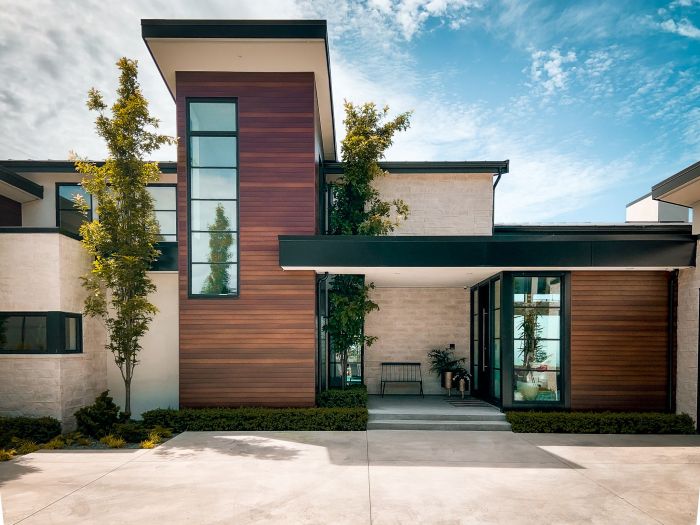
When designing a new house, one of the most critical aspects to consider is the layout of the floor plan. A well-thought-out floor plan can significantly impact the functionality, flow, and overall livability of a home.
Efficient layout designs are essential for different types of houses, whether they are small or large, modern or traditional. Here are some examples of efficient layout designs:
Efficient Layout Designs for Different Types of Houses
- Small House: In a small house, it is crucial to maximize space utilization. Open floor plans with multi-functional areas, such as combining the living room, dining area, and kitchen, can create a sense of spaciousness.
- Large House: In a large house, zoning different areas for specific functions can help maintain organization and flow. For example, having a separate entertainment area, home office, and guest rooms can optimize the use of space.
- Modern House: Modern houses often emphasize open layouts, clean lines, and minimalistic design. Incorporating large windows for natural light, sleek storage solutions, and smart home technology can enhance the modern feel.
- Traditional House: Traditional houses typically feature defined rooms with a focus on architectural details. Utilizing classic elements such as crown molding, built-in cabinetry, and formal dining areas can maintain the traditional charm.
Optimizing space utilization in a new house design involves strategic placement of rooms, furniture, and storage solutions. Some tips to optimize space utilization include:
Optimizing Space Utilization in New House Design
- Utilize vertical space with tall shelves or cabinets to maximize storage without taking up floor space.
- Choose furniture that serves multiple functions, such as a sofa bed or a coffee table with storage compartments.
- Create multifunctional spaces that can adapt to different needs, such as a home office that can also serve as a guest bedroom.
- Consider the flow between rooms to ensure a seamless transition and easy access to different areas of the house.
- Use light colors and ample lighting to create an illusion of space and make rooms feel more open and airy.
Exterior Design Features
When it comes to the exterior of a house, there are several key features that can greatly enhance its aesthetics and overall appeal. From architectural details to landscaping choices, every element plays a crucial role in creating a cohesive and visually pleasing design.
Landscaping and Exterior Design
Landscaping is an essential component of a well-designed exterior. It not only adds curb appeal but also complements the overall design of the house. By carefully selecting plants, trees, and other elements, you can create a harmonious and inviting outdoor space that enhances the beauty of your home.
Exterior Materials and Colors
Choosing the right materials and colors for the exterior of your house is crucial in achieving a cohesive design. Consider the architectural style of your home and the surrounding environment when selecting materials such as siding, roofing, and trim. Opt for colors that complement each other and blend well with the overall aesthetic of the house.
Interior Design Concepts
When it comes to interior design for new houses, it's essential to consider popular trends, create a cohesive design scheme, and carefully select furniture, decor, and lighting. These elements play a crucial role in enhancing the overall look and feel of your home.
Popular Interior Design Trends
Exploring the latest interior design trends can help you create a modern and stylish look for your new house. Some popular trends include:
- Minimalist design with clean lines and clutter-free spaces.
- Biophilic design incorporating natural elements like plants and natural light.
- Mixing materials such as wood, metal, and glass for a dynamic look.
- Statement ceilings or walls to add visual interest to a room.
Creating a Cohesive Design Scheme
To ensure a cohesive design scheme throughout your house, it's important to:
- Choose a color palette and stick to it for consistency.
- Select furniture and decor that complement each other in style and scale.
- Consider the flow of the space and how each room connects to the next.
- Incorporate elements of design repetition to create a unified look.
Enhancing Interior Design with Furniture, Decor, and Lighting
When selecting furniture, decor, and lighting for your new house, keep the following tips in mind:
- Choose furniture that fits the scale of the room and serves a functional purpose.
- Incorporate statement pieces to add visual interest and personality to a space.
- Layer lighting with a mix of ambient, task, and accent lighting to create a warm and inviting atmosphere.
- Use decor elements like rugs, artwork, and accessories to add texture and color to the room.
Concluding Remarks
In conclusion, new house design is a dynamic process that involves careful consideration of elements to create a harmonious living space. Whether you prefer modern minimalism or traditional charm, the key lies in thoughtful planning and execution. Let your imagination run wild as you embark on this exciting design journey!
Questions and Answers
How important is natural lighting in new house design?
Natural lighting not only enhances the aesthetics of a new house but also contributes to a healthier and more sustainable living environment.
What are some popular exterior materials for new house design?
Popular choices include wood, stone, brick, and stucco, each offering unique textures and finishes to elevate the overall look of the house.
How can I create a cohesive interior design scheme?
Start by choosing a color palette that flows seamlessly throughout the house, then select furniture and decor that complement each other in style and form.