Siding front of house only sets the stage for this enthralling narrative, offering readers a glimpse into a story that is rich in detail with casual formal language style and brimming with originality from the outset.
When it comes to the exterior of your home, the siding plays a crucial role in not just protecting it from the elements but also enhancing its overall aesthetic appeal. Choosing the right siding for the front of your house can make a significant impact on its curb appeal and durability.
Let's delve into the world of siding options, colors, installation techniques, and maintenance tips to help you make informed decisions for your home.
Types of Siding for the Front of a House
When it comes to choosing siding for the front of your house, there are several options available, each with its own unique features and benefits. Let's explore some popular choices and compare their pros and cons.
Vinyl Siding
Vinyl siding is a popular choice due to its affordability and low maintenance requirements. It comes in a variety of colors and styles, making it versatile for different architectural designs. However, it may not offer the same level of durability as other materials and can fade over time.
Wood Siding
Wood siding provides a timeless and natural look to a home. It can be painted or stained in various colors to suit your preferences. While wood siding is aesthetically pleasing, it requires regular maintenance to prevent rotting, warping, and insect damage.
Fiber Cement Siding
Fiber cement siding is a durable and fire-resistant option that mimics the look of wood or masonry. It is low maintenance and can withstand harsh weather conditions. However, it is heavier than other materials and may require professional installation.
Metal Siding
Metal siding, such as steel or aluminum, is known for its strength and longevity. It is resistant to pests, rot, and fire, making it a durable choice for the front of a house. On the downside, metal siding may dent or scratch easily and can be more expensive than other options.
Siding Color Selection
Choosing the right siding color for the front of a house is crucial in enhancing its overall curb appeal. The color of the siding can significantly impact the appearance and style of the home, making it essential to choose wisely.
Impact of Siding Color
The siding color plays a vital role in the overall curb appeal of a house. Lighter colors can make a home appear larger and more inviting, while darker colors can add a sense of sophistication and drama. It is essential to consider the architectural style of the house when selecting a siding color to ensure a cohesive and harmonious look.
Coordinating with Architectural Style
When choosing a siding color, it is essential to coordinate with the house's architectural style. For example, a traditional colonial-style home may look best with neutral or classic colors like white, gray, or beige. On the other hand, a modern or contemporary home could benefit from bolder colors like navy blue, forest green, or even a sleek black.
Popular Color Trends
In recent years, some popular siding color trends have emerged. Soft pastel hues, such as light blue, pale yellow, or mint green, have become increasingly popular for a fresh and inviting look. Additionally, earthy tones like warm browns, terracotta, and olive green have gained popularity for a more natural and rustic aesthetic.
Ultimately, the choice of siding color should reflect the homeowner's personal style while complementing the overall design of the house.
Installation Techniques for Front House Siding
Installing siding on the front of a house is a crucial step in enhancing both the aesthetic appeal and protection of the property. Proper installation techniques are essential to ensure a secure and weatherproof finish that will stand the test of time.
Steps for Installing Siding
- Begin by preparing the exterior surface, ensuring it is clean, smooth, and free of any debris or damage.
- Measure and cut the siding panels to fit the dimensions of the house, ensuring a precise and snug fit.
- Install the siding starting from the bottom and working your way up, securing each panel according to the manufacturer's instructions.
- Overlap the siding panels to create a seamless look and prevent water infiltration.
- Finish the installation by adding trim pieces, corner caps, and other accessories to complete the look.
Best Practices for a Secure and Weatherproof Installation
- Use quality materials and tools to ensure durability and longevity of the siding installation.
- Properly seal all joints and seams to prevent water penetration and ensure a weatherproof finish.
- Follow the manufacturer's guidelines and recommendations for installation to avoid any issues or damage.
- Regularly inspect and maintain the siding to address any issues promptly and prevent further damage.
Preparing the Exterior Surface
Before installing siding, it is crucial to properly prepare the exterior surface of the house. This includes:
- Cleaning the surface to remove dirt, debris, and any mildew or mold growth.
- Repairing any damage, such as cracks, holes, or rot, to ensure a smooth and solid foundation for the siding.
- Applying a weather-resistant barrier or house wrap to provide an additional layer of protection against the elements.
Tips for DIY Installation vs. Hiring a Professional
- If you have experience with construction and feel confident in your abilities, DIY installation can be a cost-effective option.
- However, if you are unsure or lack the necessary skills, hiring a professional siding contractor is recommended to ensure a proper and secure installation.
- Consider the complexity of the project, your comfort level with DIY tasks, and the time and effort required before deciding on the best approach.
Maintenance and Care of Front House Siding
Regular maintenance is essential to ensure the longevity and appearance of the front house siding. Different types of siding materials require specific care to keep them in top condition. Here are some maintenance tips for maintaining front house siding:
Vinyl Siding
- Regularly clean the siding with a mixture of water and mild soap to remove dirt and grime.
- Inspect for any cracks, chips, or damage and promptly repair or replace the affected panels.
- Avoid using abrasive cleaners or tools that can damage the vinyl surface.
Wood Siding
- Regularly paint or stain the wood siding to protect it from moisture and UV damage.
- Inspect for signs of rot, mold, or insect damage and address any issues immediately.
- Seal any gaps or cracks to prevent water infiltration and potential wood decay.
Fiber Cement Siding
- Clean the fiber cement siding with a soft brush or cloth and mild detergent to remove dirt and stains.
- Inspect for any signs of chipping, cracking, or warping and repair as needed.
- Avoid using high-pressure washers that can damage the siding surface.
Seasonal Maintenance Checklist
- Inspect the siding for any damage after winter to address any issues before they worsen.
- Clean the siding in the spring and fall to remove debris and maintain its appearance.
- Check for signs of moisture accumulation or mold growth during humid seasons.
Common Issues and Solutions
- Water damage: Ensure proper drainage and seal any gaps to prevent water infiltration.
- Mold or mildew: Clean the siding regularly and address any moisture issues around the house.
- Fading color: Consider repainting or staining the siding to refresh its appearance.
Tips for Prolonging Siding Lifespan
- Regularly inspect and maintain the siding to address any issues promptly.
- Avoid using harsh chemicals or cleaners that can damage the siding material.
- Trim vegetation around the house to prevent moisture buildup and damage to the siding.
Final Summary
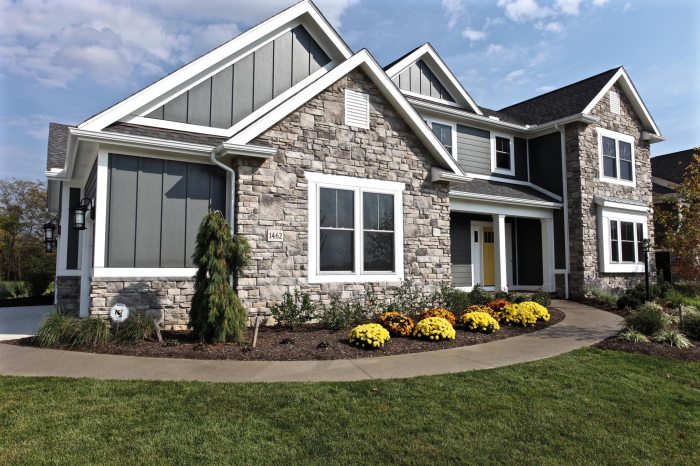
In conclusion, selecting the perfect siding for the front of your house is a multifaceted decision that involves considering aesthetics, durability, and maintenance requirements. By understanding the various types of siding, color selection techniques, installation methods, and maintenance practices, you can ensure that your home's exterior remains both visually appealing and structurally sound for years to come.
Make your house the envy of the neighborhood with the right siding choice that reflects your style and personality.
Answers to Common Questions
How do I choose the right siding color for my house?
Consider the architectural style of your home, the surrounding environment, and your personal preferences to select a color that complements the overall design.
What are the common maintenance requirements for different types of siding materials?
Vinyl siding may require occasional cleaning, while wood siding needs regular staining or painting to prevent rot. Fiber cement and metal siding typically require less maintenance but should be inspected for damage periodically.
What are the best practices for installing front house siding?
Ensure proper surface preparation, use quality materials, follow manufacturer guidelines, and consider hiring a professional for complex installations to ensure a secure and weatherproof siding.
How can I prolong the lifespan of my front house siding?
Regularly inspect for damage, clean as needed, address issues promptly, and follow recommended maintenance schedules to extend the lifespan of your siding.