Embark on a journey through the world of interior design, where creativity meets functionality to transform spaces into stunning masterpieces. From the importance of design elements to budget-friendly tips and sustainable practices, this guide covers it all.
Delve deeper into the realm of interior design as we explore the key elements, current trends, and expert tips to help you create the best interior design for your space.
Importance of Interior Design
Interior design plays a crucial role in shaping the overall look and feel of a space, whether it be a home, office, or commercial establishment. It goes beyond just aesthetics, impacting the functionality, comfort, and mood of the environment.
Key Elements in Creating the Best Interior Design
- Color Scheme: The choice of colors sets the tone and mood of the space, influencing how people feel when they enter.
- Furniture and Layout: The arrangement of furniture and its style can enhance the functionality and flow of the space.
- Lighting: Proper lighting can transform a room, creating ambiance and highlighting key features.
- Textures and Patterns: Incorporating different textures and patterns adds depth and visual interest to the design.
Enhancement of Functionality and Aesthetics
Interior design not only improves the visual appeal of a space but also enhances its functionality. Thoughtful design solutions can make a room more practical and efficient, maximizing its potential while creating a harmonious and inviting atmosphere for its occupants.
The right balance of aesthetics and functionality is key to achieving a successful interior design.
Elements of Best Interior Design
Interior design involves various elements that work together to create a harmonious and visually appealing space. These elements include color, lighting, furniture, and decor, each playing a crucial role in the overall design scheme.
Color
Color is one of the most powerful tools in interior design. It can set the mood, create a sense of unity, and highlight architectural features. The careful selection of colors can make a small space feel larger or a large room feel more intimate.
For example, a neutral color palette with pops of bold colors can create a modern and sophisticated look.
Lighting
Proper lighting is essential for showcasing the design elements in a space. It can enhance the colors, textures, and shapes of furniture and decor. Different lighting fixtures, such as ambient, task, and accent lighting, can be used to create a layered and dynamic lighting scheme.
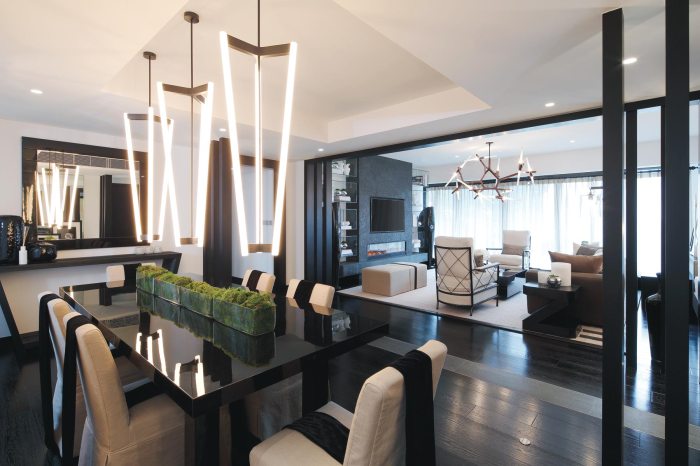
For instance, pendant lights over a dining table can create a focal point and add warmth to the space.
Furniture
Furniture serves both functional and aesthetic purposes in interior design. The right furniture pieces can define the style of a room and provide comfort and functionality. The arrangement of furniture can also affect the flow and functionality of the space.
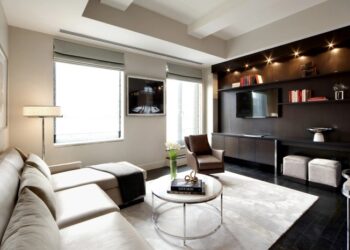
For example, a sectional sofa can divide a large living room into separate seating areas while maintaining an open feel.
Decor
Decor items, such as artwork, textiles, and accessories, add personality and character to a space. They can reflect the homeowner's style and interests, making the space feel unique and inviting. Mixing different textures, patterns, and materials can create visual interest and depth.
For instance, a gallery wall of framed artwork can add personality and color to a neutral room.By carefully considering and incorporating these elements into the design process, interior designers can create cohesive and visually stunning spaces that meet the needs and preferences of their clients.
Trends in Interior Design
Interior design trends are constantly evolving, reflecting the changing tastes and preferences of homeowners. From minimalist and Scandinavian styles to industrial influences, each trend brings a unique aesthetic to spaces. Understanding these trends can help designers create visually appealing and functional interiors that stand the test of time.
Minimalist Style
Minimalist interior design focuses on simplicity, clean lines, and a clutter-free environment. This trend emphasizes the use of neutral colors, sleek furniture, and functional decor. By incorporating minimalist elements, spaces can appear more spacious and calming.
Scandinavian Style
Scandinavian design is characterized by its cozy, hygge-inspired aesthetic. This trend often features light colors, natural materials, and a focus on texture and comfort. By incorporating Scandinavian elements, spaces can feel warm and inviting.
Industrial Style
Industrial interior design draws inspiration from urban lofts and warehouses, featuring exposed brick, metal accents, and raw materials. This trend embraces a rugged, unfinished look that adds character and depth to spaces. By incorporating industrial elements, spaces can exude a modern and edgy vibe.
Budget-Friendly Interior Design Tips
When it comes to interior design, having a limited budget doesn't mean you have to compromise on style. With some creative thinking and strategic planning, you can achieve a beautiful and well-designed space without breaking the bank.
Repurpose and Upcycle Furniture
One of the best ways to save money on interior design is to repurpose or upcycle old furniture pieces. You can give an old dresser a fresh coat of paint, reupholster a worn-out chair, or repurpose a wooden crate into a stylish side table.
Not only does this save you money, but it also adds a unique touch to your space.
Shop Secondhand and Thrift Stores
Don't underestimate the treasures you can find at secondhand stores and thrift shops. From vintage decor pieces to gently used furniture, these places are gold mines for budget-friendly interior design. Keep an open mind and be prepared to do some DIY touch-ups to make these pieces fit seamlessly into your space.
Focus on Key Statement Pieces
Instead of trying to fill every corner of your room with decor, focus on investing in a few key statement pieces that will make a big impact. Whether it's a bold area rug, a striking piece of artwork, or a standout light fixture, these key elements can elevate the entire look of your space without breaking the bank.
DIY Decor Projects
Get creative with DIY decor projects to add a personal touch to your space without spending a fortune. From creating your own wall art to crafting unique decorative items, DIY projects allow you to customize your space while staying within your budget.
Plus, it's a fun way to unleash your creativity.
Sustainable Interior Design Practices
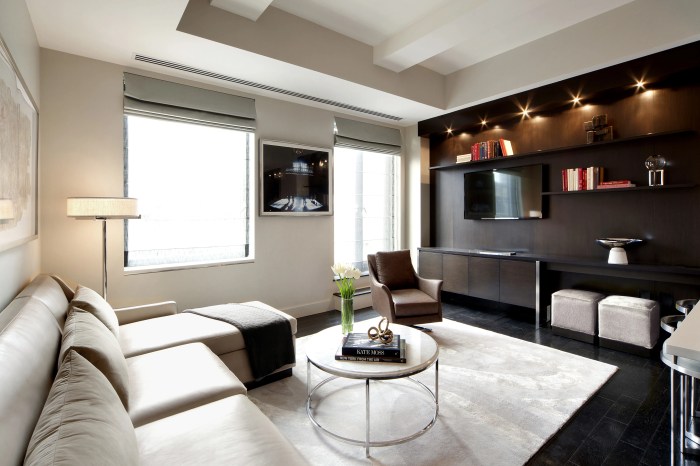
In today's world, sustainable interior design practices play a crucial role in creating spaces that not only look beautiful but also contribute positively to the environment. By incorporating eco-friendly materials, energy-efficient solutions, and sustainable practices, interior designers can create spaces that are both aesthetically pleasing and environmentally responsible.
Incorporating Sustainable Design
When it comes to sustainable interior design, there are various ways to incorporate eco-friendly practices:
- Choosing materials that are sustainably sourced, such as reclaimed wood or bamboo.
- Opting for energy-efficient lighting solutions like LED bulbs to reduce energy consumption.
- Using low VOC (volatile organic compounds) paints and finishes to improve indoor air quality.
Examples of Eco-Conscious Projects
Several interior design projects have successfully integrated sustainability without compromising aesthetics. One such example is the renovation of a historic building using salvaged materials and energy-efficient systems. Another example is the design of a modern office space that incorporates biophilic design principles, bringing nature indoors through plants and natural light.
Ultimate Conclusion
As we conclude our exploration of best interior design, remember that the power of design lies in its ability to evoke emotions and enhance the way we experience our surroundings. Let your creativity flow and transform your space into a work of art that reflects your unique style and personality.
Answers to Common Questions
What are the key elements of best interior design?
The key elements include color, lighting, furniture, and decor, each contributing to creating a cohesive and visually appealing space.
How can I achieve the best interior design on a budget?
You can achieve great design on a budget by focusing on key elements, opting for DIY projects, and prioritizing spending on impactful pieces.
Why is sustainable interior design important?
Sustainable interior design is crucial for creating a healthier environment and reducing our carbon footprint while maintaining aesthetic appeal.