Delving into the realm of chamclad price unveils a world of innovative building solutions. From its unique composition to the various factors influencing its cost, this article aims to provide a comprehensive guide to understanding chamclad pricing.
As we delve deeper into the nuances of chamclad price, we will uncover the intricate details that shape the market for this cutting-edge construction material.
Overview of Chamclad Price
Chamclad is a type of durable and weather-resistant cladding material used in construction for both residential and commercial buildings. It is known for its versatility, aesthetic appeal, and ease of installation, making it a popular choice among architects and builders.Factors influencing the price of Chamclad include the quality of materials used, the size and thickness of the panels, the complexity of the design, and the brand reputation.
Additionally, market demand and supply chain factors can also affect the pricing of Chamclad products.
Examples of Chamclad Products and Price Ranges
- Chamclad Classic Panels (Standard Size): $50 - $80 per square meter
- Chamclad Premium Panels (Thicker and Textured): $80 - $120 per square meter
- Chamclad Designer Series (Custom Designs and Colors): $100 - $150 per square meter
Factors Affecting Chamclad Price
When considering the price of Chamclad, several factors come into play that influence its cost. These factors range from the materials used in its production to market demand and supply dynamics, as well as external influences that can lead to price fluctuations.
Materials Used in Chamclad
The materials used in the production of Chamclad play a significant role in determining its price. Higher quality materials typically result in a higher cost of production, which is then reflected in the final price of Chamclad. Additionally, the availability and cost of these materials in the market can also impact the overall price of Chamclad.
Market Demand and Supply Dynamics
The demand for Chamclad in the market can greatly affect its pricing. When there is a high demand for Chamclad but limited supply, the price is likely to increase due to the scarcity of the product. On the other hand, if there is an oversupply of Chamclad in the market, prices may decrease as suppliers try to offload excess inventory.
External Factors Influencing Pricing Fluctuations
External factors such as changes in raw material prices, economic conditions, and even geopolitical events can all influence the pricing of Chamclad. For example, an increase in the cost of transportation due to rising fuel prices can lead to an increase in the overall price of Chamclad.
Similarly, a decrease in consumer spending power during an economic downturn can result in lower demand for Chamclad, causing prices to drop.
Comparison of Chamclad Prices
When comparing Chamclad prices with other similar products in the market, it is evident that Chamclad offers competitive pricing while maintaining high quality standards. The pricing strategies adopted by Chamclad manufacturers focus on providing value for money to customers without compromising on durability and aesthetic appeal.
Chamclad vs. Traditional Building Materials
Chamclad price comparison with traditional building materials such as brick, concrete, or wood showcases a cost-effective alternative that reduces overall construction expenses. The lightweight nature of Chamclad panels also leads to savings in transportation and installation costs, making it a preferred choice for many construction projects.
Purchasing and Cost Considerations
When it comes to purchasing Chamclad products, there are a few tips that can help you find the best deals. Additionally, considering the long-term cost implications of using Chamclad for construction is essential. To further assist in your decision-making process, here is a breakdown of potential additional costs associated with purchasing Chamclad.
Finding the Best Deals
- Compare prices from different suppliers to ensure you are getting the best value for your money.
- Look out for promotional offers or discounts that may be available for bulk purchases.
- Consider purchasing directly from manufacturers to cut out middlemen and reduce costs.
Long-term Cost Considerations
- Chamclad is known for its durability, which can lead to lower maintenance costs over time compared to other materials.
- Energy efficiency is another factor to consider, as Chamclad provides good insulation, potentially reducing heating and cooling costs in the long run.
- While the initial cost of Chamclad may be higher than traditional materials, its longevity and low maintenance requirements can result in cost savings in the long term.
Additional Costs
- Installation costs: Factor in the cost of labor and any additional materials needed for installation.
- Transportation costs: Depending on the distance from the supplier, transportation costs may vary.
- Finishing costs: Consider any finishing touches or customization that may incur additional expenses.
Final Thoughts
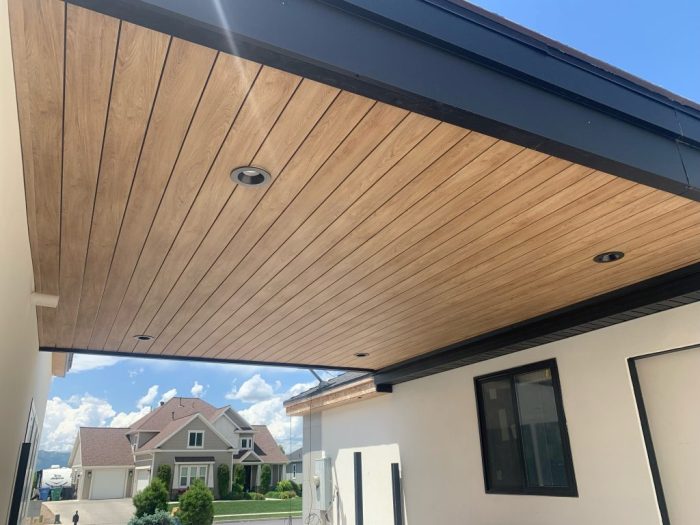
In conclusion, chamclad price is not just a number but a reflection of a dynamic industry. By considering the factors discussed here, one can navigate the world of chamclad pricing with confidence and insight.
Question Bank
What factors influence chamclad price?
Chamclad prices are influenced by various factors such as materials used, market demand, and external influences like economic conditions.
How does chamclad price compare to traditional building materials?
Chamclad prices may vary but often offer a competitive alternative to traditional materials in terms of cost and durability.
Where can I find the best deals on chamclad products?
To find the best deals on chamclad, consider reaching out to manufacturers directly or exploring online marketplaces for competitive pricing.