Embark on a journey through the world of global roofing and siding, where we delve into the significance of quality materials in construction projects and the evolution of these essential components over time. Let's uncover the role of global roofing and siding in sustainable construction practices.
Introduction to Global Roofing and Siding
Global roofing and siding refer to the practice of using high-quality materials for roofing and exterior cladding in construction projects worldwide. These components play a crucial role in protecting buildings from external elements and ensuring structural integrity.
Evolution of Roofing and Siding Materials
Roofing and siding materials have evolved significantly over time, from traditional options like wood and thatch to modern materials such as metal, asphalt shingles, and fiber cement. This evolution has been driven by the need for durability, energy efficiency, and aesthetic appeal in construction.
Importance of Quality Roofing and Siding
- Quality roofing and siding enhance the overall look of a building and increase its value.
- Durable materials protect against weather damage, reducing maintenance costs in the long run.
- Energy-efficient options can help reduce heating and cooling expenses, contributing to sustainable practices.
Role of Global Roofing and Siding in Sustainable Construction
The use of eco-friendly materials and energy-efficient designs in global roofing and siding contributes to sustainable construction practices. By choosing materials that are recyclable, long-lasting, and energy-efficient, builders can reduce the environmental impact of their projects and promote a greener future.
Types of Roofing Materials
When it comes to roofing materials, there are several options available globally. Each material comes with its own set of characteristics, including durability, environmental impact, and cost-effectiveness.
Asphalt Shingles
- Asphalt shingles are one of the most common roofing materials used worldwide.
- They are known for their affordability and ease of installation.
- However, asphalt shingles may not be as durable as other materials and have a shorter lifespan.
Metal Roofing
- Metal roofing is gaining popularity for its durability and longevity.
- It is resistant to extreme weather conditions and can last for 50+ years.
- Although metal roofing can be more expensive upfront, it can save money in the long run due to its longevity.
Clay Tiles
- Clay tiles are known for their aesthetic appeal and longevity.
- They are resistant to fire and can last for over 100 years with proper maintenance.
- While clay tiles are durable, they can be heavier and more expensive compared to other materials.
Wood Shingles
- Wood shingles provide a natural look and are environmentally friendly.
- They are biodegradable and can be recycled.
- However, wood shingles require regular maintenance and may not be as durable as other materials.
Siding Options for Buildings
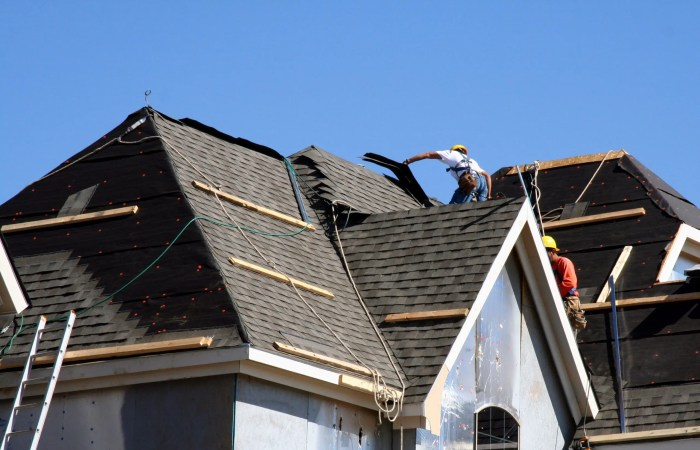
When it comes to choosing siding for buildings, there are several popular options available worldwide. Each type of siding material offers unique insulation properties, maintenance requirements, and aesthetic appeal.
Wood Siding
Wood siding is a classic choice known for its natural beauty and charm. It provides moderate insulation and requires regular maintenance in the form of painting or staining to protect it from the elements.
Vinyl Siding
Vinyl siding is a popular choice due to its low maintenance requirements and wide range of colors and styles. It offers good insulation properties and is resistant to rot and insect damage.
Fiber Cement Siding
Fiber cement siding is a durable option that mimics the look of wood but requires less maintenance. It offers excellent insulation and is resistant to fire, rot, and pests.
Brick Siding
Brick siding is known for its longevity and classic appearance. While it provides good insulation, it can be costly to install and repair. However, it requires minimal maintenance over time.
Stucco Siding
Stucco siding is a versatile option that can be applied in various textures and colors. It offers decent insulation properties and is durable, but it may require periodic maintenance to prevent cracks and water damage.
Metal Siding
Metal siding is a modern choice that comes in various materials such as aluminum, steel, and copper. It offers excellent insulation and is low maintenance, but it may dent or scratch easily.
Comparison of Aesthetic Appeal
- Wood siding: Traditional and warm appearance
- Vinyl siding: Versatile with many color options
- Fiber cement siding: Mimics wood but with less maintenance
- Brick siding: Timeless and classic look
- Stucco siding: Modern and customizable textures
- Metal siding: Contemporary and sleek appearance
Installation Techniques for Roofing and Siding
When it comes to installing roofing and siding, following proper techniques is crucial to ensure durability and longevity of the materials. In this section, we will discuss the steps involved in installing a new roof, the tools and equipment required, best practices for siding installation, and safety measures to be taken during the process.
Steps for Installing a New Roof
- Prepare the roof deck by removing old materials and ensuring a clean surface.
- Install underlayment to provide a waterproof barrier.
- Lay down the roofing material, whether shingles, metal sheets, or tiles, starting from the bottom and working your way up.
- Secure the roofing material in place using nails or screws.
- Finish the edges and ridges with flashing to prevent water infiltration.
Tools and Equipment Required for Roofing Installation
- Roofing nail gun
- Roofing hammer
- Roofing shingles or other material
- Roofing underlayment
- Flashing materials
Best Practices for Siding Installation
- Start by preparing the wall surface, ensuring it is clean and free of debris.
- Choose the appropriate siding material based on the climate and architectural style of the building.
- Follow manufacturer's guidelines for installation to ensure proper alignment and sealing.
- Use quality fasteners to secure the siding in place and prevent warping or buckling.
Safety Measures during Roofing and Siding Installation
- Wear appropriate safety gear such as gloves, goggles, and hard hats.
- Use ladders and scaffolding properly to prevent falls or accidents.
- Avoid working on the roof or siding during inclement weather conditions.
- Be cautious when handling tools and equipment to prevent injuries.
Final Review
In conclusion, global roofing and siding play a crucial role in the construction industry, offering durability, aesthetics, and sustainability. This guide has provided insights into various materials, installation techniques, and maintenance considerations for these vital elements of any building.
FAQ Compilation
What are the most common roofing materials used globally?
Common roofing materials include asphalt shingles, metal roofing, clay tiles, and wood shakes.
How do different siding materials impact insulation?
Siding materials like vinyl and fiber cement offer good insulation properties, while metal siding may require additional insulation.
What are the key steps involved in installing a new roof?
Installing a new roof involves steps such as removing the old roofing, preparing the roof deck, installing underlayment, and finally placing the new roofing material.