Embarking on the journey of home siding replacement near me, you'll uncover the transformative impact it can have on your home's aesthetic appeal and structural resilience. From enhancing energy efficiency to elevating property value, this process is key to maintaining a home that stands the test of time.
Delving deeper, we explore the various types of siding materials available, the significance of hiring a professional contractor, and the essential considerations regarding local regulations and permits. Let's navigate this essential home improvement journey together.
Importance of Home Siding Replacement
Home siding replacement is a crucial aspect of maintaining a home's appearance and structural integrity. It not only enhances the curb appeal of a property but also plays a vital role in protecting the home from various elements.
Impact on Energy Efficiency
Outdated or damaged siding can significantly impact a home's energy efficiency. Gaps or cracks in the siding can lead to air leaks, causing the HVAC system to work harder to maintain a comfortable temperature. This can result in higher energy bills and decreased overall efficiency.
Impact on Property Value
The condition of the siding can have a direct impact on the property value. Potential buyers are often deterred by homes with worn-out or damaged siding, as it gives the impression of neglect and can lower the overall value of the property.
By investing in high-quality siding replacement, homeowners can increase their property's value and attract more potential buyers.
Signs that Indicate the Need for Siding Replacement
- Cracks, warping, or rotting in the siding
- Faded or peeling paint on the siding
- Increased energy bills due to poor insulation
- Mold or mildew growth on the siding
- Visible signs of water damage or moisture intrusion
Types of Siding Materials
When it comes to home siding replacement, there are several options available in terms of materials. Each type of siding material comes with its own set of characteristics, benefits, and considerations that homeowners should be aware of before making a decision.Vinyl Siding:Vinyl siding is a popular choice due to its affordability and low maintenance requirements.
It is durable, resistant to rot and insects, and comes in a wide range of colors and styles. However, vinyl siding can crack or fade over time, and it may not offer the same level of insulation as other materials.Wood Siding:Wood siding gives homes a classic, natural look and can be easily painted or stained to match the homeowner's preferences.
While wood siding is relatively durable, it requires regular maintenance to prevent rot, mold, and insect damage. It also tends to be more expensive than vinyl siding.Fiber Cement Siding:Fiber cement siding is a versatile and durable option that can mimic the look of wood or masonry.
It is resistant to fire, insects, and rot, and requires minimal maintenance. However, fiber cement siding can be heavier and more difficult to install than other materials, and it may be more costly upfront.Metal Siding:Metal siding, such as aluminum or steel, is known for its strength, durability, and resistance to fire and insects.
It is low maintenance and can last for many years. However, metal siding may dent or scratch easily, and it may not offer as much insulation as other materials.Overall, the choice of siding material will depend on factors such as budget, aesthetic preferences, maintenance requirements, and climate considerations.
It is important for homeowners to carefully weigh these factors before selecting the right siding material for their home.
Hiring a Professional Contractor
When it comes to home siding replacement, hiring a professional contractor is crucial to ensure the job is done correctly and efficiently. Professionals have the necessary skills, experience, and tools to complete the project to a high standard, providing you with peace of mind and long-lasting results.
Finding Reputable Contractors
Here are some tips on how to find reputable contractors in your local area:
- Ask for recommendations from friends, family, or neighbors who have had siding replacement done recently.
- Research online reviews and ratings to get an idea of the contractor's reputation.
- Check with local business bureaus or associations for a list of accredited contractors in your area.
Obtaining Quotes and Verifying Credentials
Before hiring a contractor, make sure to go through the following process:
- Get quotes from multiple contractors to compare prices and services offered.
- Check references provided by the contractor to ensure they have a history of satisfied customers.
- Verify the contractor's credentials, including licenses, insurance, and certifications, to guarantee they meet industry standards.
Local Regulations and Permits
Complying with local regulations and obtaining necessary permits for siding replacement is crucial to ensure that the project meets safety and quality standards.
Common Regulations
- Materials: Some areas may have specific regulations on the type of siding materials that can be used, such as restrictions on vinyl, wood, or fiber cement.
- Colors: Certain neighborhoods or historical districts may have guidelines on approved colors for siding to maintain aesthetic consistency.
- Installation Methods: Regulations may dictate the proper installation techniques to prevent structural issues or damage to neighboring properties.
Role of Permits
Permits play a crucial role in ensuring that the siding replacement project adheres to safety and quality standards. They also help local authorities keep track of construction activities in the area.
By obtaining permits, homeowners can avoid potential fines or legal issues and have peace of mind knowing that the project is approved by the relevant authorities.
Final Review
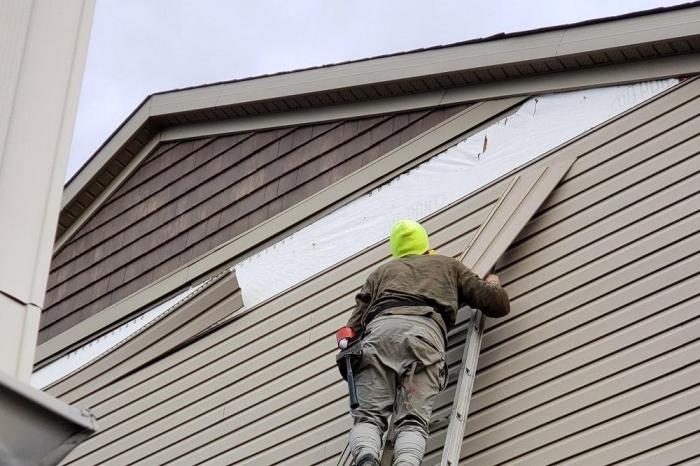
As we conclude this insightful discussion on home siding replacement near me, it becomes evident that this endeavor is not just about aesthetics but also about safeguarding your home's integrity. By making informed decisions and adhering to best practices, you can embark on this renovation journey with confidence and assurance.
Q&A
What are the common signs that indicate the need for home siding replacement?
Common signs include peeling paint, mold growth, high energy bills, and visible cracks or holes in the siding.
How can I find reputable contractors for home siding replacement near me?
You can ask for recommendations from neighbors or friends, check online reviews, and verify credentials such as licenses and insurance before hiring a contractor.
What are some common regulations related to siding materials during replacement?
Regulations may include restrictions on certain materials, colors, or installation methods to ensure compliance with local building codes and standards.