Unlocking the potential of interior design in the business world can be a game-changer. From attracting customers to enhancing brand identity, the right interior design can set a business apart in a crowded market. Let's dive into the fascinating realm of interior design business and explore how it can shape the success of a company.
Importance of Interior Design in Business
Interior design plays a crucial role in the success of a business, impacting the overall customer experience, brand image, and employee productivity. A well-designed space can attract customers, increase dwell time, and create a positive impression that leads to repeat visits and referrals.
Key Elements of Interior Design to Attract Customers
- Color scheme: Choosing the right colors can evoke emotions and set the mood for the space.
- Layout and flow: A well-thought-out layout can guide customers through the space and highlight key products or services.
- Lighting: Proper lighting can enhance the ambiance and showcase products effectively.
- Furniture and decor: Quality furniture and attractive decor can create a welcoming atmosphere and reflect the brand's identity.
Examples of Successful Businesses with Outstanding Interior Design
- Apple Stores: Known for their sleek and minimalist design, Apple stores create a modern and innovative environment that enhances the customer shopping experience.
- Starbucks: With cozy seating areas, warm lighting, and a consistent brand aesthetic, Starbucks locations are designed to encourage customers to stay longer and enjoy their coffee.
- Nike: Nike stores feature dynamic layouts, interactive displays, and bold graphics that engage customers and reflect the brand's active and athletic image.
Designing Interior Spaces for Different Business Types
When it comes to interior design for businesses, one size does not fit all. The design of a space should align with the type of business to create a cohesive and effective environment for both employees and customers. Let's explore how interior design can be tailored to different business types to enhance the overall brand experience.
Retail Spaces
For retail businesses, the interior design plays a crucial role in attracting customers and influencing their purchasing decisions. Some tips for designing retail spaces include:
- Creating a layout that encourages flow and guides customers through the store.
- Using strategic lighting to highlight products and create a welcoming ambiance.
- Incorporating the brand's colors, logos, and signage to reinforce brand identity.
- Utilizing displays and shelving that showcase products effectively.
Office Spaces
Office interiors should promote productivity, collaboration, and employee well-being. Strategies for designing office spaces include:
- Choosing ergonomic furniture and creating designated work zones for different tasks.
- Incorporating natural light and greenery to boost mood and productivity.
- Using a color palette that aligns with the company's values and culture.
- Providing spaces for collaboration, brainstorming, and relaxation.
Restaurant Spaces
Restaurants rely on the ambiance and atmosphere to enhance the dining experience. Ways to design restaurant spaces effectively include:
- Considering the restaurant's cuisine and theme when selecting decor and furniture.
- Creating different seating areas for various group sizes and dining preferences.
- Using lighting to set the mood and highlight key areas like the bar or focal points.
- Incorporating elements like music and scent to enhance the overall dining experience.
Budgeting and Cost Considerations
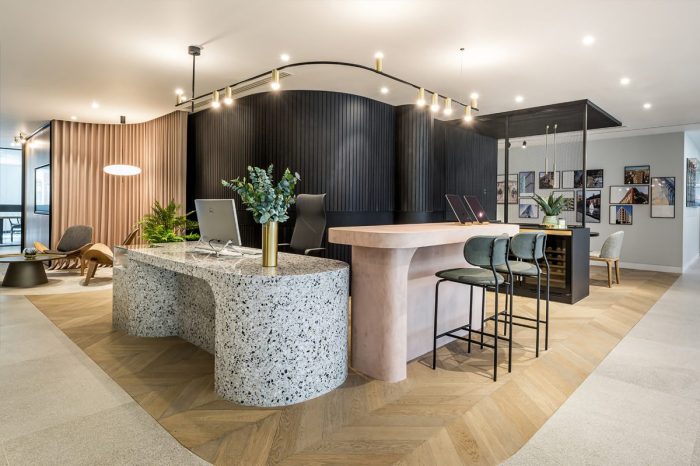
Budgeting is a crucial aspect of any interior design project for a business. It ensures that resources are allocated efficiently and effectively to achieve the desired outcome within a specified financial framework. When it comes to enhancing the interior design of a business space, cost considerations play a significant role in determining the feasibility and success of the project.
Here are some key points to keep in mind:
Importance of Budgeting
- Setting a realistic budget helps in planning and controlling expenses throughout the project.
- It ensures that the design elements chosen align with the available financial resources.
- Having a budget in place allows for better decision-making and prioritization of design features.
Cost-Effective Enhancement Strategies
- Opt for versatile and durable materials that offer long-term value for money.
- Consider refurbishing existing furniture or fixtures instead of purchasing new ones.
- Explore cost-effective design solutions such as accent walls, lighting fixtures, or decorative accessories.
Tips for Prioritizing Design Elements
- Identify the key areas that require immediate attention and allocate a larger portion of the budget to them.
- Focus on enhancing the functionality and aesthetics of the space rather than overspending on unnecessary features.
- Consult with a professional designer to help you make informed decisions on where to invest your budget for maximum impact.
Trends in Interior Design for Businesses
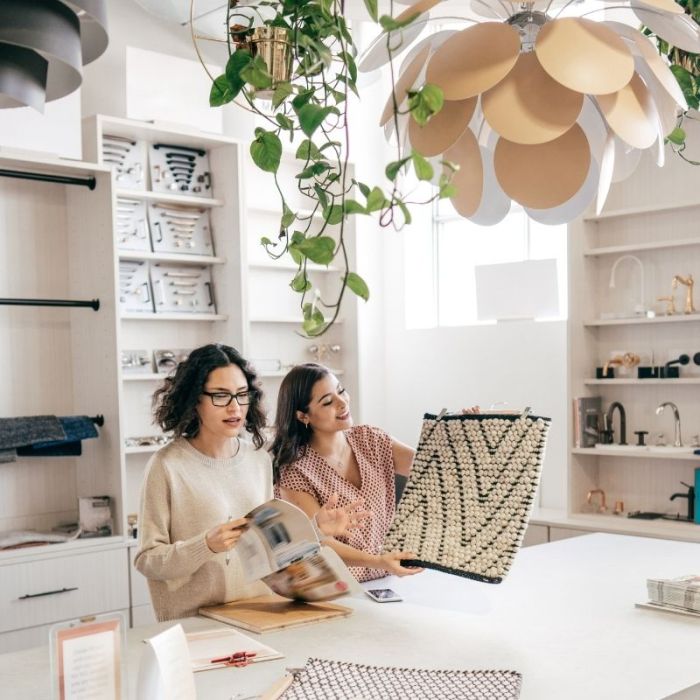
As businesses strive to create a unique and inviting space for their customers and employees, staying on top of the latest interior design trends is crucial. Incorporating these trends while maintaining a timeless design can help businesses create a space that is both modern and enduring.
Let's explore some current trends in interior design for businesses and how they can be effectively implemented.
Biophilic Design
Biophilic design, which focuses on incorporating natural elements into indoor spaces, has been a popular trend in recent years. Businesses can bring the outdoors inside by incorporating elements such as plants, natural light, and organic materials. This not only creates a calming and rejuvenating environment but also enhances productivity and overall well-being.
Flexible Workspaces
With the rise of remote work and flexible schedules, businesses are increasingly embracing flexible workspaces. This trend involves creating versatile and adaptable environments that can easily be reconfigured to accommodate different work styles and activities. By incorporating movable furniture, modular partitions, and multipurpose areas, businesses can create spaces that can evolve with their changing needs.
Sustainable Design
As environmental consciousness grows, businesses are turning towards sustainable design practices. This trend involves using eco-friendly materials, energy-efficient technologies, and waste-reducing strategies to create environmentally responsible spaces. By incorporating recycled materials, energy-saving lighting systems, and water-efficient fixtures, businesses can reduce their ecological footprint while creating a healthier indoor environment.
Ending Remarks
As we conclude our exploration of interior design in the business landscape, it's clear that the aesthetics and functionality of a space play a crucial role in driving success. By understanding the importance of interior design, businesses can create environments that not only impress but also elevate their overall performance.
FAQ Summary
How does interior design impact a business's success?
Interior design can influence customer perception, employee morale, and overall brand image, ultimately affecting a business's bottom line.
What are some cost-effective ways to enhance interior design for businesses?
Opt for strategic lighting, use paint to create visual interest, incorporate plants for a touch of nature, and invest in versatile furniture pieces that can be easily rearranged.
How can businesses incorporate current interior design trends while maintaining a timeless look?
By focusing on classic design principles and selectively incorporating trendy elements, businesses can achieve a balance between modernity and timelessness in their interior spaces.