When it comes to selecting the perfect siding for your home, the options can seem overwhelming. From vinyl to wood, each material has its own set of advantages and drawbacks. This guide aims to simplify the process and help you make an informed decision that suits your needs.
As we delve deeper into the world of siding options, you'll gain valuable insights into the different materials, factors to consider, installation processes, and maintenance tips. Get ready to transform your house with the ideal siding choice.
Types of Siding Materials
When it comes to choosing siding for your home, there are several options available, each with its own set of pros and cons. The most common types of siding materials include vinyl, wood, fiber cement, and metal. Let's take a closer look at each of these options.
Vinyl Siding
Vinyl siding is a popular choice for homeowners due to its affordability and low maintenance requirements. It is available in a wide range of colors and styles, making it easy to customize the look of your home. However, vinyl siding may not be as durable as other materials and can crack or fade over time.
Regular cleaning is also necessary to prevent mold and mildew growth.
Wood Siding
Wood siding provides a natural and timeless look to a home, adding warmth and character. It can be painted or stained in various colors to suit your preferences. However, wood siding requires more maintenance than other materials, including regular painting or staining, sealing, and protection against pests and rot.
It is also more susceptible to moisture damage.
Fiber Cement Siding
Fiber cement siding is a durable and low-maintenance option that can mimic the look of wood or stucco. It is resistant to rot, fire, and pests, making it a long-lasting choice for homeowners. While fiber cement siding is more expensive upfront, it can save money in the long run due to its durability and minimal maintenance requirements.
Metal Siding
Metal siding, such as aluminum or steel, is known for its strength and longevity. It is resistant to fire, rot, and pests, making it a durable option for homes in harsh climates. Metal siding is also recyclable, making it an environmentally friendly choice.
However, metal siding can dent or scratch easily, and it may require repainting over time to maintain its appearance.
Factors to Consider When Choosing Siding

When selecting siding for your house, several key factors should be taken into consideration to ensure you make the best choice. Factors such as climate, budget, aesthetics, and maintenance play a crucial role in determining the most suitable siding material for your home.
Complementing Architectural Style
It is essential to choose a siding material that complements the architectural style of your house. For example, a modern home may look best with sleek metal or vinyl siding, while a traditional house could benefit from the warmth of wood siding.
Consider the existing design elements of your home and select a siding material that enhances its overall aesthetic appeal.
Energy Efficiency and Insulation Properties
Another critical factor to consider when choosing siding is its energy efficiency and insulation properties. Opting for siding materials that provide good insulation can help reduce energy costs by maintaining a comfortable temperature inside your home throughout the year. Look for siding options with high R-values to ensure optimal energy efficiency and insulation properties.
Siding Installation Process
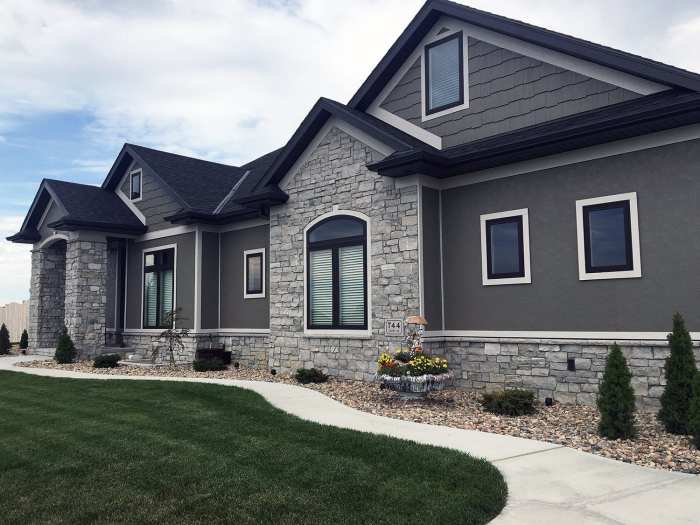
When it comes to installing siding on a house, it is important to follow a step-by-step process to ensure the job is done correctly and efficiently. Whether you are considering a DIY project or hiring professionals, understanding the installation process is crucial.
Tools and Equipment Needed for DIY Siding Installation
- Hammer
- Nails
- Tape measure
- Level
- Siding cutter
- Caulk gun
- Utility knife
Tips for Hiring Professionals for Siding Installation
- Research and ask for recommendations from friends or family.
- Check for proper licensing and insurance.
- Get multiple quotes and compare prices.
- Ask about their experience and previous projects.
- Read reviews and testimonials from past clients.
- Ensure there is a written contract outlining the scope of work and payment terms.
Maintaining and Repairing Siding

Regular maintenance is crucial to ensure that your siding remains in good condition and protects your home from the elements. By following a few simple steps, you can extend the lifespan of your siding and prevent costly repairs down the line.To keep your siding in top shape, you should regularly inspect it for any signs of damage or wear.
Look out for common issues such as rot, cracks, or warping, which can compromise the integrity of your siding and lead to water damage or pest infestations.
Identifying Common Issues
- Rot: Check for any soft spots, discoloration, or areas where the siding has started to crumble. Rot is often caused by moisture getting trapped behind the siding.
- Cracks: Inspect the surface of your siding for any visible cracks or gaps. These can allow water to seep in and cause further damage.
- Warping: Warped siding may appear distorted or uneven. This can be a result of exposure to extreme weather conditions or improper installation.
DIY Repairs and Professional Help
- For minor siding damage such as small cracks or chips, you can attempt DIY repairs using caulk or paint to seal the area. Make sure to follow the manufacturer's instructions for the best results.
- If you notice extensive damage, significant rot, or large areas of warping, it's best to seek professional help. A siding contractor can assess the damage and recommend the necessary repairs to restore your siding.
- Regular cleaning and maintenance, such as power washing and repainting, can also help prolong the lifespan of your siding and keep it looking fresh.
Ending Remarks
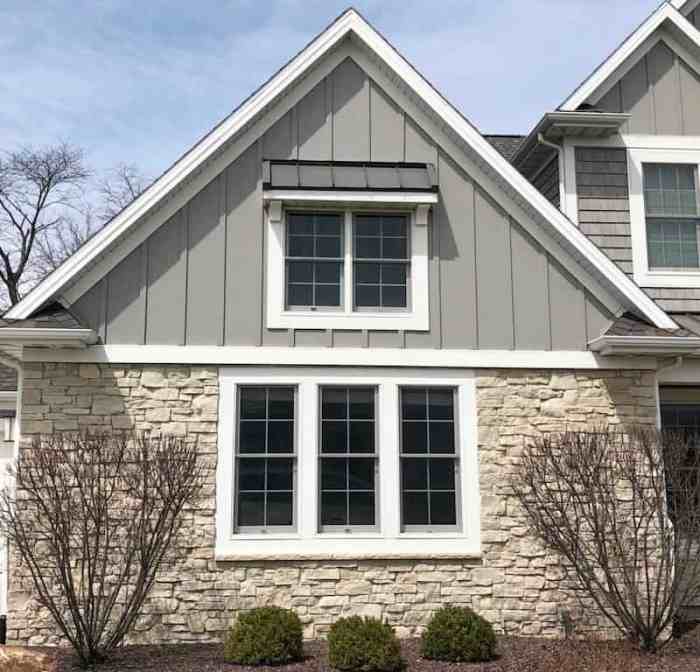
In conclusion, choosing the right siding for your house is a crucial decision that impacts both aesthetics and functionality. By weighing the pros and cons of each material and considering essential factors, you can enhance your home's appearance and durability.
Take the first step towards a beautifully clad house that stands the test of time.
FAQ Overview
What are the key factors to consider when choosing siding?
Consider factors like climate, budget, aesthetics, and maintenance requirements to select the most suitable siding material for your house.
How do you identify common issues in siding?
Look out for signs of rot, cracks, or warping in your siding, which may indicate the need for repairs or maintenance.
Can I install siding on my own?
While DIY siding installation is possible, it's crucial to have the right tools, skills, and knowledge. Consider hiring professionals for a seamless installation process.